
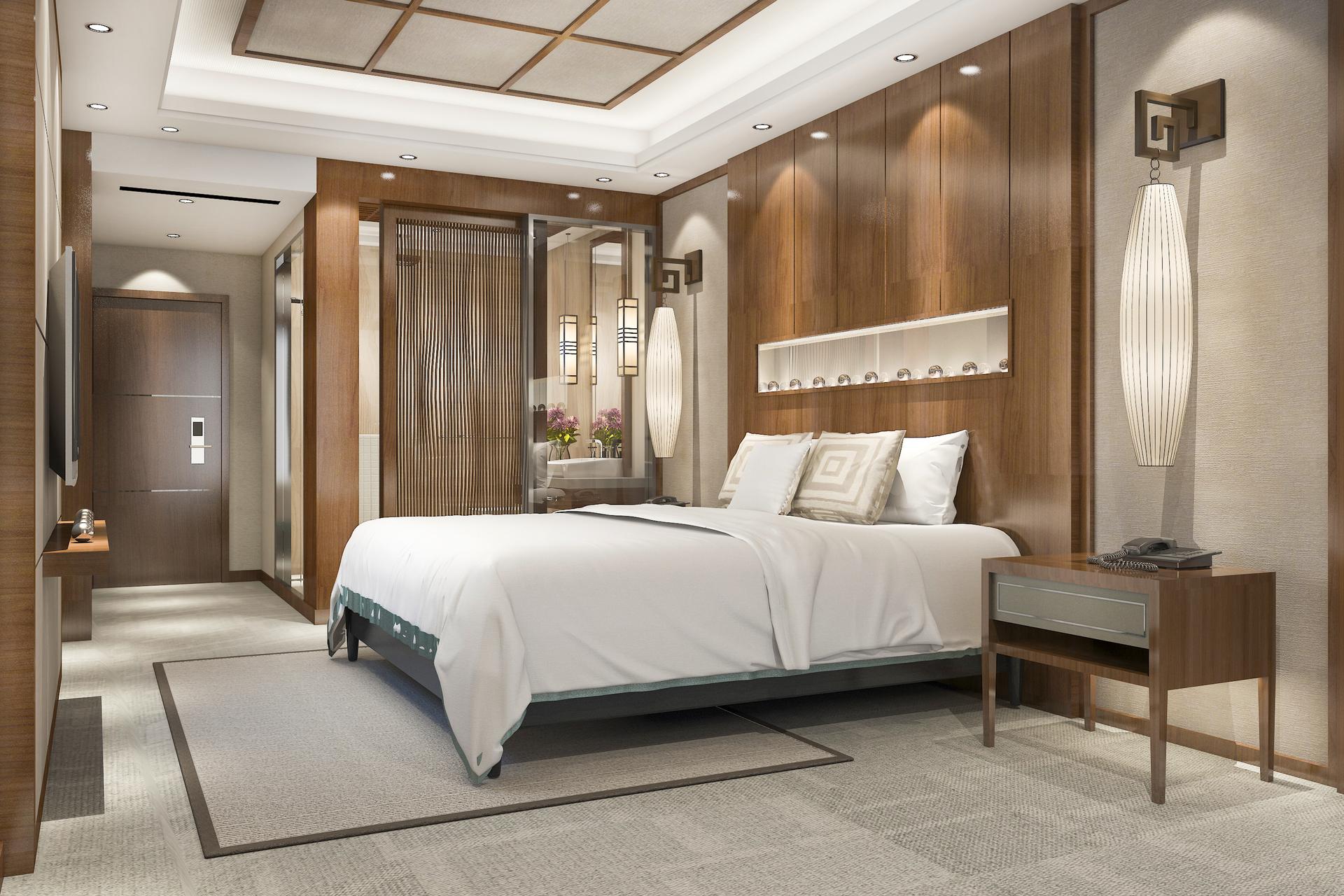
Despite 2025’s impressive recovery—recording nearly 50 million visitors and a 12% year-on-year increase—Hong Kong’s hotel industry isn’t quite back to its historic “bull market” glory. Comparisons to the 2004–2008 and 2010–2012 peaks show a market that is currently more fragile than it looks.
The Great Divide: Luxury vs. Guesthouses
The recovery is uneven across different sectors:
– Guesthouses & Low-Tariff Hotels: These remain heavily dependent on China’s economic health. Unlike other sectors, guesthouse occupancy and room rates have failed to return to pre-COVID levels, largely due to the “hysteresis effect” of China’s cooling property market.
– High-Tariff Hotels: While occupancy here has stabilized, the supply of rooms is still increasing. This creates an internal risk: if global growth slows or geopolitical tensions rise, these luxury segments are highly susceptible to a downtrend.
Persistent Headwinds
While the “peak” for guesthouses and medium-tariff room supply passed in 2019–2022, the overall market is still frustrated by:
– China’s Economic Uncertainty: The primary factor stifling a full rebound for lower-tier accommodations.
– Global Volatility: Political instability and shifting trade dynamics continue to suppress average room rates across all classes.
Increased Competition: The steady climb in high-end room inventory threatens to outpace demand.
Strategic Pivot: Student Hostels
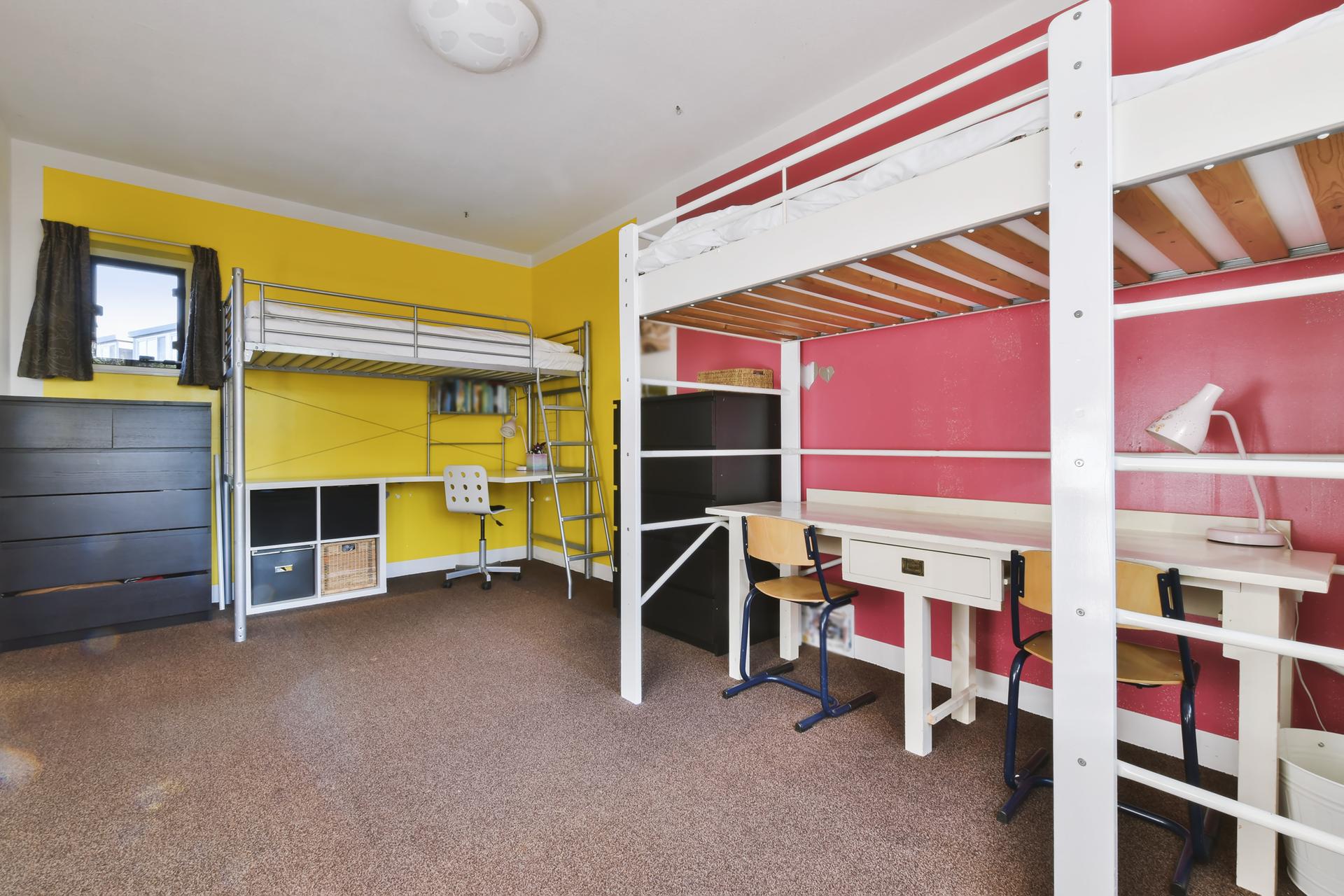
In light of these risks, the “bullish” outlook for traditional hotels remains shaky. A more stable alternative is the conversion of hotels into student hostels.
While many operators avoid this due to perceived technical complexities, it offers a reliable hedge against the volatility of the tourism sector. If the technical hurdles have held you back, we can help bridge that gap.
Hybrid Models: A Viable Compromise?
Could a mixed-use hotel and hostel building bridge the gap? While this model attempts to balance short-term hotel stays with long-term student needs, it often fails due to clashing expectations regarding habitation patterns and service. Crucially, feedback from Mainland parents reveals a strong disapproval of this approach. Most prioritize a secure, controlled environment for their children and view the high turnover of transient hotel guests as a significant safety risk.
Interested in exploring a conversion? Drop us an email to discuss the technicalities and market potential.